1st Plumber To Call for Drainfield Line Installation and Repair in Canton, Ga., Woodstock, Ga., Holly Springs, Ga., Ball Ground, Ga., Milton, Ga., Roswell, Ga., Alpharetta, Ga., Cumming Ga., Jasper, Ga., Acworth, Ga., Kennesaw, Ga., and Surrounding Areas
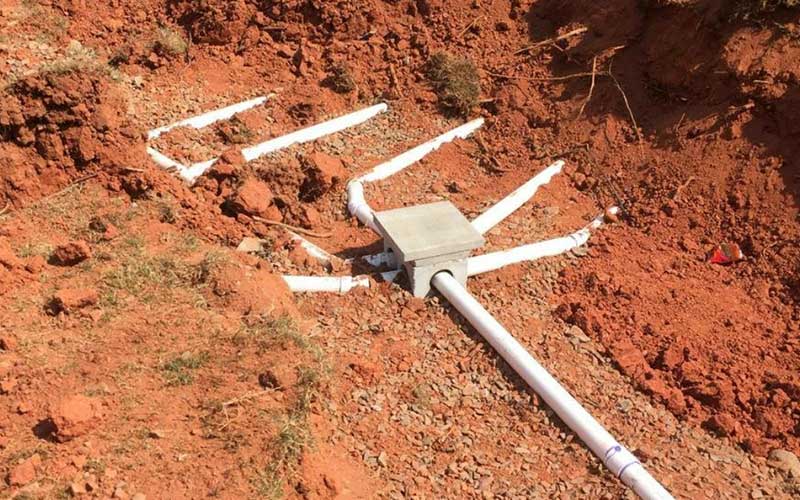
Are your septic system’s drainfield lines causing you problems? Do you worry about potential leaks or inefficiencies that could harm your property investment? At 1st Plumber To Call, we understand the importance of a well-functioning septic system, and we’re here to help you address any drainfield line issues you may face in Canton, GA, and the surrounding areas. With decades of experience, we’re your trusted partner for drainfield line installation and repair, providing prompt, reliable solutions that ensure your system works efficiently. Our commitment is to deliver top-notch service, ensuring your satisfaction each time you choose us. Don’t let drainfield issues disrupt your peace of mind. Contact us today at 404-PLUMBER to get your drainfield lines back in optimal working condition.
By considering these factors and entrusting the installation to professionals like us, you can ensure that your drainfield lines are installed correctly, promoting the longevity and efficiency of your septic system. Contact 1st Plumber To Call for expert drainfield line installation services tailored to your specific needs at 404-PLUMBER
Your drainfield lines play a crucial role in maintaining a healthy septic system and safeguarding your property. When it comes to the repair and installation of drainline fields, it’s important to work with professionals who understand the intricacies of septic systems. With over 30 years of experience, 1st Plumber To Call has a proven track record of getting the job done right the first time. Don’t compromise on the well-being of your septic system – reach out to us today at 404-PLUMBER for expert drainfield line services you can trust!
DO IT ONCE, DO IT RIGHT!
Trustindex verifies that the original source of the review is Google.
Joe went above and beyond to help my family locate, fix and remediate a plumbing leak. He was extremely honest and fair. He explained to me in layman’s terms exactly what and why each step needed to be done. It’s taken me 20 years to find a great plumber and now I have one I would use many times.Posted on Google
 Jacqueline BlakeyNeeded a water heater, worked with me to get exactly what I needed, fixed some code issues and took care not to damage my plants or shelves next to it.Posted on Google
 Joshua planteJoe was great. Communicated well, was prompt, and fixed the issue quickly.Posted on Google
 Steve CollinsJoe has been servicing my home for the past two years. He is a man of his word and has tremendous integrity. His work is done at the highest level possible and he is very professional. What I really enjoy about 1st Plumber to call is the honesty and dependability that the owner brings to his business. It’s not an act. It’s who he is as a man. I recommend everyone call 1st plumber first. I will continue to recommend him to anyone I can. Thank you Joe for your services.Posted on Google
 Zack MillerHad a water service main leak. Joe Mabrey responded quickly and determine the cause was in the irrigation system. He found the three solenoid valves and identified a faulty gasket in one. He replaced the gasket and then provided a low profile box to contain all three valves. Left the site as he found it and made sure that I had documentation to approach the Canton Water department to seek relief for the larger than usual water bills. He is now our 1st plumber to call!Posted on Google
 Bob RhomeJoe did a great job. He was very knowledgeable and professional. He walked us through all of the steps for repairs and installation. They provided great service and would highly recommend!Posted on Google
 Michael WalshI called Joe for a friend's house that I was remodeling that had a water leak in a copper pipe He came out on time fixed the problem located another leak fixed that one also. I have been in construction for 42 years and Joe was as professional as I have ever had the opportunity to work with I will use him in the future on all my projectsPosted on Google
 jimmie reidJoe was patient and kind with all Of my questions and concerns. He found and corrected the problems. He is very professional and dependable. I highly recommend 1st Plumber to Call!!!Posted on Google
 Jan BarnesLeak from frig—water going under kitchen floor, etc. Called Joe Mabrey Friday Morning; as soon as he finished job, would come by and at least turn off water. Did exactly as promised. Came back next morning, found water leak, fixed, cleaned out dust buildup with compressor. Another very good job by Mr Mabrey. Because of fast and experienced service, will probably not have damage costs.Posted on Google
 Mike Travis